


 844-937-8679


 844-937-8679
Articles > HealthcareÌý>ÌýWhat is an MBA/MHA dual degree program?
What is an MBA/MHA dual degree program?

Written by Michael Feder
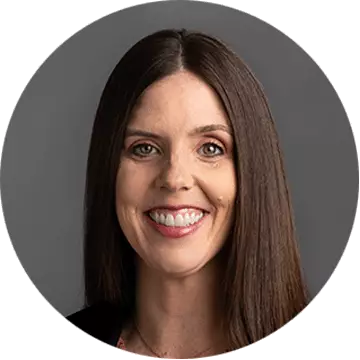
Reviewed byÌýKathryn Uhles, MIS, MSP,ÌýDean, College of Business and IT

Delivering the best in patient care is a complex process. Requiring intensive coordination among nurses, physicians, staff and administration, it’s no easy feat.ÌýOne degree in particular, the MBA/MHA dual degree,Ìýis designed to combine business management skills with health administration expertise to optimize patient outcomes. Let's look at what this unique degree is about.
What is included in an MBA/MHA dual degree program?
As the name indicates, an MHA/MBA degree combines two distinct programs:
1.ÌýÌýÌýÌýMaster of Health AdministrationÌý(MHA)
2.ÌýÌýÌýÌýMaster of Business AdministrationÌý(MBA)
In this program, students learn both general business practices and the specialized knowledge required to manage healthcare facilities.
The topics covered in this program include:
- Management
- Human resources
- Accounting
- Finance
These topics run the gamut of the needs of running a business and the needs of running a hospital, clinic or another healthcare facility. The result is a graduate well equipped to take on roles that straddle these two sides of the equation.Ìý
An MHA/MBA program typically takes about 2.5 years, totaling 58 credits. Some programs are entirely online, allowing students to fit their learning around their schedule.
What kinds of courses are in a typical MHA/MBA program?
What skills do students learn in an MBA/MHA dual degree program?
An emphasis in the MHA/MBA program isÌýevidence-based practice. This helps students build skills to leverage the latest research when it comes to improving health administration. Students develop skills that are crucial at the intersection of healthcare and business, such as:
- Managing and motivating employees
- Using data to address the cost and quality of care, health of populations and patient-centrism.
- Problem-solving for business decisions
- Using technology to stay ahead of the competition
What can you do with an MBA/MHA dual degree program?
An MBA/MHA program isn’t for everyone.ÌýIt can be ideal for those with some years of professional experience in healthcare environments. It’s best suited for healthcare professionals looking to take on more advanced leadership roles.
An MBA/MHA can help prepare students to be a:
- Health manager
- Health information management director
- Practice administrator or manager
Health manager or practice administrator
Overview: Health managers and practice administrators oversee entire healthcare organizations or broad sections of these organizations. They are often responsible for the efficiency of their organization, setting general direction, creating schedules and budgets, communicating across an organization and more. They interact with both patient-facing staff, such as physicians and nurses, as well as technicians, insurance companies and patients.
As leaders, health managers must keep aware of ever-changing laws and regulations that govern their facilities. They must institute policies to keep abreast of these regulatory standards.
Ìý
Health information management director
Overview: Also known as HIM directors, these specialists oversee the large amounts of patient health data processed by a healthcare facility. It is critical for HIM directors to ensure such sensitive information is accurate and secure but also accessible to authorized healthcare professionals.
HIM directors can be found in various workplaces, ranging from hospitals and clinics to insurance companies and government agencies. They play an important role in bridging data technology and patient care.
Job outlook and salary range: The U.S. Bureau of Labor Statistics (BLS) includes data related to health services managers, practice administrators and health information managers together with no distinction between the roles. As of May 2024, the annual salary range for medical and health service managers was , according to BLS.
Employment of medical and health services managers is . Two key reasons are driving this estimated growth, according to BLS. First, an aging population will likely increase the demand for healthcare facilities, which rely on health managers as administrators. Second, the spread of electronic patient health records is projected to increase the demand for specialists in health informatics.
Salary ranges are not specific to students or graduates of °®¶¹´«Ã½. Actual outcomes vary based on multiple factors, including prior work experience, geographic location and other factors specific to the individual. °®¶¹´«Ã½ does not guarantee employment, salary level or career advancement. BLS data is geographically based. Information for a specific state/city can be researched on the BLS website.
BLS Occupational Employment Projections, 2024-2034 is published by the U.S. Bureau of Labor Statistics. This data reflects BLS’ projections of national (not local) conditions. These data points are not specific to °®¶¹´«Ã½ students or graduates.
Ìý
Ready to learn more about an online MBA/MHA dual degree program?
If you’re interested in learning more about an MBA/MHA dual degree program online, °®¶¹´«Ã½ offers just such an MBA In healthcare program, as well as other online advanced degrees, such as a master of healthcare (competency-based), a competency based master’s degree, and a master’s in management online.
Contact °®¶¹´«Ã½ for more information.
WatchÌý


ABOUT THE AUTHOR
A graduate of Johns Hopkins University and its Writing Seminars program and winner of the Stephen A. Dixon Literary Prize, Michael Feder brings an eye for detail and a passion for research to every article he writes. His academic and professional background includes experience in marketing, content development, script writing and SEO. Today, he works as a multimedia specialist at °®¶¹´«Ã½ where he covers a variety of topics ranging from healthcare to IT.
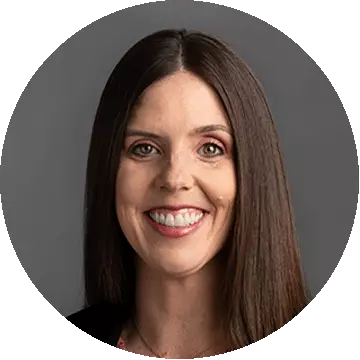
ABOUT THE REVIEWER
Currently Dean of the College of Business and Information Technology,ÌýKathryn Uhles has served °®¶¹´«Ã½ in a variety of roles since 2006. Prior to joining °®¶¹´«Ã½, Kathryn taught fifth grade to underprivileged youth in Phoenix.

This article has been vetted by °®¶¹´«Ã½'s editorial advisory committee.Ìý
Read more about our editorial process.


FREE Healthcare Programs Guide
Explore our healthcare degrees and certificates -Ìý100% of our programs are alignedÌýtoÌýcareer-relevantÌýskills.
You’reÌýmaking moves!
This guide is loaded with answers.ÌýDownload it now or get it from your inbox. Questions?ÌýWe’reÌýjust a call or click away.
Get your free healthcare programs guide.Ìý Please enter your first and last name.
You’reÌýmaking moves!
This guide is loaded with answers.ÌýDownload it now or get it from your inbox. Questions?ÌýWe’reÌýjust a call or click away.