844-937-8679


 844-937-8679
What is a dissertation for a doctorate?
This article was updated February 2, 2026.

Written by Elizabeth Exline
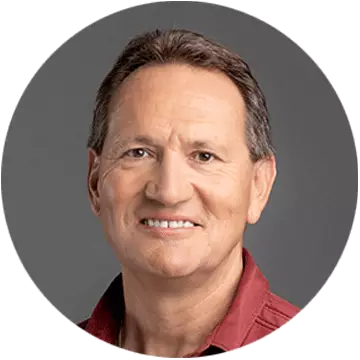
Reviewed by Hinrich Eylers, PhD, PE, MBA,ÌýVice Provost for Academic Operations and Doctoral Studies.

When Rose Lorenzo got close to finishing herÌýmaster’s degreeÌýat °®¶¹´«Ã½ (UOPX), she came to a crossroads. She could walk away with her degree and focus on building her company,ÌýLorenzo Financial, or she could scratch the itch for more academic knowledge and pursue her doctorate. Lorenzo chose the latter. (AndÌýstillÌýmanaged to build her company, lay the groundwork toÌýlaunch a new schoolÌýand eventually get accepted to law school.)
But settling on a topic is just one part of a process that can intimidate even the most determined scholar. What’s exactly involved in a dissertation? And what’s the point of one anyway? Here is a deeper dive into the dissertation experience.
What is a dissertation?
A dissertation is a book-length document that’s both the capstone of the doctoral degree and the driving force behind a doctoral program’s years of study and academic research.ÌýMost are 100 to 300 pages and organized by chapters and/or sections and subsections. There are also often requirements for text size, page size and spacing that can depend on your doctoral program.Ìý
A dissertation generally includes a Dissertation Acceptance Certificate, a title page, a copyright statement, an abstract (detailing the objective of the research, the methods and the outcome), a table of contents, the research itself and supplemental information (either as an appendix with charts and tables or as an uploaded file with digital information). Some dissertations include front and back matter, such as acknowledgments, a dedication, a glossary, a bibliography and related features.
This academic document is prepared by a doctoral student and containsÌýoriginal researchÌýabout a topic. The student identifies theÌýtopic, conducts the research, writes the dissertation and defends it in front of a committee led by a dissertation chair and other doctoral faculty who decide whether the research meets the doctoral-level research standards. If it does, the student will successfully complete the doctoral program, have their dissertation published in ProQuest and earn a terminal degree, which means the highest education level that can be earned in a field.
The dissertation, in other words, is important. But why all the fuss in the first place? A dissertation can enhance society’s overallÌýknowledge and understanding about an issue and ignite a person’s area of interest and expertise, as well as enhance that expertise.
Topics offer the freedom for students to follow their curiosity and experience with the goal of potentiallyÌýsolving a problemÌýorÌýadding to a field’s body of knowledge.
While most doctoral and PhD degree programs require a dissertation, some don’t, and others require a capstone project.
Dissertation vs. thesis — what's the difference?
Some people may confuse a dissertation with a thesis, but they’re not the same thing. While similar in nature in that they are both the capstone of an academic program, the biggest difference is where a dissertation and a thesis fit in the educational journey. As explained, a doctoral student completes a dissertation, while a thesis is a research paper for a master’s-level student or sometimes within a bachelor’s program.Ìý
There are other differences as well. One is the level of research involved. Often, a thesis is based on existing research. This means that an undergrad or graduate student will compile various research findings to defend a theory or idea in a thesis. A dissertation on the other hand requires doctoral students to conduct, present and defend their own research.
The two documents differ in length too. A thesis is often much shorter and can range from 40 to 60 pages for an undergraduate thesis and from 60 to upward of 100 pages for a master's thesis. A dissertation is 150 to 300 pages, or 80,000 to 100,000 words. As noted, whether it’s presented in front of a panel of faculty or academics as an oral defense is another key difference. This is often required for a dissertation, but oralÌýdefenseÌýof a thesis may depend on the program or institution.
How to start writing a dissertation
Figuring out a dissertation topic is a process as individualized as the students in a doctoral degree program. Experts suggest beginning with a title. That becomes the document's selling point, so it needs to be concise and understandable. It needs to include a theoretical construct.Ìý
This preliminary exercise lays a solid foundation for the dissertation process, but the actual research and writing can still feel intimidating.
How does °®¶¹´«Ã½ help students with the dissertation process?
The dissertation process at °®¶¹´«Ã½ was revamped and rolled out in September 2019. The process was reimagined based on extensive feedback and a desire to make it more effective and efficient.
One of the firstÌýchanges in the dissertation process was the development of ACCESS, an acronym for "advancing community, critical thought, engagement, scholarship, and success."
This sequence is incorporated into the first three interdisciplinary courses of any doctoral program at UOPX with an eye toward introducing doctoral candidates to a theoretical mindset.
The ACCESS program attempts to nurture a culture of inquiry that helps retain doctoral candidates while inspiring them to innovate in their fields. In other words, it sets the tone for the entire doctoral process, which is founded on innovation, research and critical thinking.
Ìý
The five phases of the dissertation
Writing the dissertation at UOPX occurs in five phases over the course of different classes. These are:
- Phase 1: Develop aÌýprospectus, which is an outline of the research project.
- Phase 2: Draft the first chapter of the dissertation, which is known as theÌýprécis.
- Phase 3: Undergo aÌýconcept reviewÌýand develop the second chapter.
- Phase 4: Focus on theÌýproposal, write the third chapter and review chapters one through three.
- Phase 5: Obtain the approval of theÌýInstitutional Review Board, which evaluates research according to the University’s ethical standards.
How is the °®¶¹´«Ã½ dissertation process different?
The five phases of the dissertation writing process aren’t ubiquitous. Doctoral students work on a dissertation while going through the program at the university. It includes the five phases in the dissertation process and a deliverable at the end of each phase to encourage students to finish and to complete on time if they commit to the process.
But this process isn’t the only benefit UOPX students enjoy. The doctoral program has several other distinctive features:
- Before the program was revamped, students interviewed potential research chairs to take on the oversight of their program. The result was stressful, with doctoral candidates often casting a wide net in the hope of securing a chair and then potentially ending up with someone who wasn’t quite the perfect fit. Today, UOPX takes the stress and potential mismatch out of the equation, by assigning dissertation committee members, so students do not have to search for them.
- Dissertations from UOPX tend to focus onÌýfunctional applicationÌýmore so than just theory. This means topics have real-world applications, and communities and industries may benefit from the research. For example, one dissertation explored the integration of nurse graduates into hospital settings during COVID-19.
- Doctoral candidates have access toÌýdiverse and extensive resources. In addition to comprehensive documentation about the dissertation process at UOPX, candidates can leverage one-on-one appointments with the University’s library staff, engage in workshops with research chairs and seek opportunities to work as research assistants.
In the end, that sense of a safety net — both in terms of mentorship and the doctoral community itself — is one of the biggest reassurances doctoral candidates enjoy.
Ready to learn more about doctoral programs and the dissertation process?
If you're considering a doctoral journey, and completing a dissertation, take a look at the College of Doctoral Studies at °®¶¹´«Ã½.Ìý
WatchÌý


Rose Lorenzo,ÌýÌýMBA, 2016; DM, 2020
°®¶¹´«Ã½ Alumna
“Although I knew what I wanted to study, I wish I had known how to choose the right topic and how to narrow that topic down before I started.
Lorenzo’s research was more tailored to her area of interest. She ultimately whittled down her topic from how leadership impacts entrepreneurial success or failure to how it impacts female entrepreneurs specifically.

Rodney Luster, Ph.D., LPC
Chair, Center for Leadership Studies and Organizational Research, College of Doctoral Studies
°®¶¹´«Ã½
Rodney Luster is the chair for the Center for Leadership Studies and Organizational Research within the College of Doctoral Studies atÌý°®¶¹´«Ã½, and he points to his own dissertation by way of example.Ìý
His research concerned what is currently known as vicarious trauma, a phenomenon he witnessed among his college students after the 9/11 attacks. His students hadn’t been anywhere near the attack, and yet he noticed they displayed classic signs of trauma. This piqued his interest.

ABOUT THE AUTHOR
Elizabeth Exline has been telling stories ever since she won a writing contest in third grade. She's covered design and architecture, travel, lifestyle content and a host of other topics for national, regional, local and brand publications. Additionally, she's worked in content development for Marriott International and manuscript development for a variety of authors.
ABOUT THE REVIEWER
Dr. Eylers is the °®¶¹´«Ã½ vice provost for Academic Operations and Doctoral Studies.ÌýPrior to joining the University in 2009, Dr. Eylers spent 15 years in environmental engineering consulting, sustainability consulting, teaching and business and technology program management. He was amongst the first to be licensed as a professional environmental engineer in Arizona.

This article has been vetted by °®¶¹´«Ã½'s editorial advisory committee.Ìý
Read more about our editorial process.
Read more articles like this: