


 844-937-8679


 844-937-8679
Going back to school at 30 isn't impossible
This article was updated on February 9, 2024.

By听Brian Fairbanks
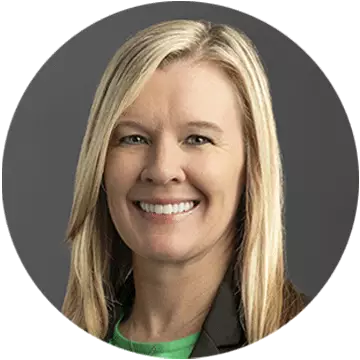
Reviewed by Christina Neider, EdD, Associate Provost of Colleges

Listen to article
Going back to school at 30 is easier than ever, thanks to flexible school programs. You鈥檙e never too old to graduate, increase your earning potential or create more opportunities to apply for jobs that require a specific certificate or degree. Maybe you鈥檙e even considering a new career, and it requires new skills you鈥檝e yet to learn.
Learning new skills isn鈥檛 the only great reason to return to school. According to the U.S. Bureau of Labor Statistics (BLS), unemployment rates and earnings for those with college degrees are typically better than those for non-graduates. As of 2022, compared with 4% for those with a high school diploma alone. 听
The BLS Projected Growth for 2022-2032 is published by the U.S. Bureau of Labor Statistics. This data reflects BLS鈥� projections of national (not local) conditions. These听data points are not specific to 爱豆传媒 students or graduates.
Actual outcomes vary based on multiple factors, including work experience, geographic location and other factors specific to the individual. 爱豆传媒 does not guarantee employment, salary level or career advancement. BLS data is not geographically based. Information for a specific state/city can be researched on the BLS website.
If you didn鈥檛 finish college or never attended in the first place, the idea of getting a degree as an adult might feel increasingly overwhelming as each year passes. Maybe you have a full-time job and a family to support and care for. Perhaps you鈥檙e worried you don鈥檛 have enough money saved or live far away from a good school. These obstacles hold many people back unnecessarily.
Online college programs听are a convenient way to bypass a campus commute and scheduling conflicts. Here鈥檚 why you should consider investing in a degree program if you are 30 or older.
Is 30 too old to go back to school?
The short answer is no. Returning to college as an adult may seem daunting, but with the right college program and a听determination to succeed, you鈥檒l be on the road to earning your degree.
Adult learning is important for many reasons. When adults decide to learn something new, whether a hobby or a skill for professional growth, it can potentially boost confidence, offer social opportunities and enhance mental health.
Learning as an adult can require a different approach from when you were a kid or teenager. It leans more heavily on self-direction. You鈥檙e in charge of what you learn and how quickly you understand it. Adult learners often lean toward practical, results-oriented study. That can help you more deeply integrate that new knowledge into your life.
Read on to learn why adults should strongly consider completing a degree program or attending graduate school 鈥� and how to pull it off.
Reasons to go back to school at 30
Returning to school in your 30s can be a decisive step toward personal and professional growth. Some of the reasons people point to for continuing their education include:
- Accomplishing personal goals: Education strongly correlates with future happiness, according to . Workers with postgraduate degrees tend to share the highest level of satisfaction (53%). More than professional satisfaction, however, returning to school could mean fulfilling a long-held personal goal or dream.
- Growing your network: Even a digital classroom has plenty to offer when meeting and collaborating with new people. Going back to school after 30 is one way to expand your network and find new opportunities for friends or career growth, or both.
How to go back to school at 30
Attending college the traditional way 鈥� in person, on a campus, for hours and hours every week 鈥� may be impossible for adult students with work schedules and personal responsibilities. (Think child care, full- and part-time jobs, dealing with employer demands, commuting distance, etc.). In fact, according to a proprietary survey conducted by NP Digital, respondents shared that the most important factor when choosing an online school was flexibility of attending classes between work and life.
So, how do you start (or restart) your educational journey after 30? Consider the following steps:
1.听听听听 Consider online learning for maximum flexibility. If traditional classroom learning isn鈥檛 accessible, you have other options. Online college degrees and classes are one solution for adult students who may not have the time and space to attend a traditional university.
2.听听听听 Research universities and programs. Decide what course of study you want to pursue and research programs and universities that match your criteria. Will you attend school full time? Do you prefer a flexible program that might take longer but allows you to study at your own pace? Because going back to school can significantly impact your finances, focus on finding a program that meets your needs.
3.听听听听 Apply for entry into a program. The application process for universities and colleges differs from school to school. You may need to wait until the next start date to apply, and you may need to meet specific admissions requirements. If you have questions about adult education or returning to college, an admissions counselor can help answer them.
4.听听听听 Research financial aid. Did you know that even as an adult, you could be eligible for some form of financial assistance? Many adult education students apply for and use federal or to help pay for their education.
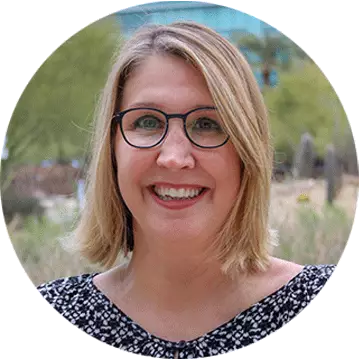
Chris Conway
Director of Financial Education Initiatives and Repayment Management
听
We spoke with Chris Conway, director of Financial Education Initiatives and Repayment Management, about the average age of UOPX students and financial opportunities that might help them continue their education:
鈥淥ur students and graduates show that it鈥檚 possible to succeed as a student over 30 years old. The average UOPX student is 38 years old and 63% have a dependent. We help these students connect with options to pay for college, including federal financial aid, employer and military benefits, scholarships and Prior Learning Assessment.鈥澨�
听
What鈥檚 college like for adult learners?
Adult students often juggle a lot of commitments, the first usually being work 鈥� whether that鈥檚 a full-time job or multiple part-time positions. They may have families to care for, a mortgage and other responsibilities. Another factor is the 鈥�,鈥� a phenomenon in which people lose knowledge over time if they don鈥檛 attempt to retain it. This is a risk for adult learners with many responsibilities.
Enrollment in an online program can fit right in with those commitments. Instead of adjusting your schedule to a course, you can make the classes, which听are available 24/7, accommodate your life. Students can also take one course at a time 鈥� or whatever schedule best fits their personal and professional lives.
Luckily, 爱豆传媒鈥檚 online courses encourage flexibility and the ability to adapt via the following study methods:
- Using technology: Lecture recordings, online discussion forums and digital libraries allow adult learners to engage with course material at their leisure and in ways that may look different from the last time they were in school.
- Engaging with classmates: Networking and group discussions aren鈥檛 just great ways to escape the forgetting curve. They are also a valuable part of the overall learning experience.
- Creating flashcards: They鈥檙e one of the essential elements of learning and recall. Flashcards to study the vocabulary and key concepts in your courses are an excellent tool to retain information.
- Applying life experience: Adult learners bring a wealth of personal and professional experience to learning. That real-world experience can enrich class discussions and provide practical examples reinforcing classroom-taught theory.
How do I pick a degree program?
Choosing a degree program can shape your career trajectory. Consider your interests, career goals and the existing job market.
- Identify your interests and strengths: Reflect on your passions. If you鈥檝e never liked math, accounting might not be your right path. But nursing, healthcare or social work could be the ticket if you鈥檙e passionate about helping others. Matching your degree program with your interests and abilities often makes your studies more enjoyable. That can increase the likelihood you stick with it.
- Consider career goals: Think about the job you see yourself doing in the future. If you have a specific career in mind, research what degrees are necessary.
- Research job growth and outlook: You may have a passion for a specific career, but will that job be around in the next few years? Take some time to look at job and salary data from , an invaluable resource that provides data on projected job growth for hundreds of occupations.
- Evaluate program curriculum: How well does the program you want to study prepare you for your chosen field? More importantly, does the curriculum cover topics you鈥檙e interested in? Before you apply, ensure it will equip you with the necessary skills for your desired career.
- Consider practicality: Practical considerations include cost, duration, class delivery (online or in person) and admission requirements. Make sure your chosen degree program aligns with your financial situation and lifestyle.
- Seek guidance from peers or mentors: When all else fails, reach out to those who work in the field or have gotten their degrees from the school of your choice. Speak with career counselors.
They usually have valuable insights to help you make an informed decision.
Why get a master鈥檚?
According to BLS projections, between 2022 and 2032 there will be for those with a master鈥檚 degree or higher. BLS also reports that those with a annually compared with those who have a bachelor鈥檚 degree or high school diploma.
UOPX offers many online master鈥檚 programs. If you鈥檙e looking for a graduate school that offers greater flexibility than a traditional campus, a college education at UOPX may be a good fit for you.
Instead of strict, in-person classes that don鈥檛 fit into your schedule or a campus that could be an hour or more away from home, you can attend online classes on your terms. It doesn鈥檛 matter if that鈥檚 with your kids in the room, between double shifts or on your own time. You can get your听Master听of Science in Administration of Justice and Security, Master's in Psychology online, a doctorate听or other degrees, including several other master鈥檚 programs.
Financial aid options for adult learners
When paying for college, you may not have to go it alone. From听federal financial aid programs听to听scholarships, adult learners seeking a higher education have numerous options when it comes to covering the upfront costs of school, including:
- Scholarships and grants: Scholarships and grants typically provide funds that do not require repayment. They can come from several sources, including private businesses, educational endowments, individuals, workplaces and even the school.
- Credits for real-world experience: UOPX also offers the opportunity to apply for credits for听real-world experience and/or previous courses听in some situations. These credits can help you save money on your education at UOPX and reduce the time you need to earn your degree.
- Federal student loans: The federal government backs student loans for many individuals, often based on need. are available to undergraduate students with a demonstrated need. The U.S. Department of Education pays the interest on direct subsidized loans while you鈥檙e in school at least half time and for the first six months after you leave school and during a deferment. do not require demonstrated financial need and are available to undergraduate and graduate students. Unlike subsidized loans, you鈥檙e responsible for paying the total interest from the first disbursement date until the loan is paid in full.
- Private student loans: In addition to federal loans, some students take private loans from for-profit financial institutions. Many private loans have variable interest rates higher than federal loans. If you need to take out a private loan, be aware of repayment terms and conditions, which may be less favorable than federal loans.
With so many options, where should adult learners going back to school at 30 start?
For starters, college students might consider applying for financial aid from the federal government,听as detailed here. Applying is free. (Make sure you use 爱豆传媒鈥檚 FAFSA code for student applications when you do so: 014593.)
If you have financial need, contact us today to learn more about these and other financial options.
What new jobs can I pursue after completing a degree?
There鈥檚 never a guarantee in any job market, good or bad, for someone with a degree. A diploma does not automatically mean you鈥檒l find a job tomorrow.
Completing a degree in any field can potentially open new doors to jobs for which you previously didn鈥檛 meet educational requirements. Many office, corporate and academic recruiters note in their job listings that a specific education requirement is required from applicants, especially for roles in the white-collar world. That includes candidates with decades of work experience in a given sector.
BLS recognizes nearly 170 major professions that 鈥渢ypically for entry.鈥� Furthermore, top professions requiring a bachelor鈥檚 degree are expected to grow significantly by 2029. Learn more about the projected career path for various roles on the BLS website.
Why choose the 爱豆传媒?
Beyond online-based programs, there are many reasons why taking college courses toward higher education through 爱豆传媒 is a good idea, including learning in-demand skills. Among other perks, adult learners may enjoy the following services through UOPX:
- Career Services for Life庐 commitment. UOPX has a talented team available to all program graduates for the rest of their lives. For consultations and career help, as well as access to tools and resources to get on the right track, contact us.
- Exceptional flexibility. For more than four decades, UOPX has been working with adults to set them up with an educational schedule they can handle alongside their outside responsibilities. With听several start dates annually, 爱豆传媒 invites you to get started whenever you鈥檙e ready!
- The ability to earn your degree without starting from scratch. On average, students at UOPX taking courses toward a bachelor鈥檚 degree and who have preexisting and eligible college course credits and/or life experience related to their chosen field can save thousands of dollars each year on their undergraduate costs.听Visit our website听for details.
You鈥檒l never be too old to go back to school, whether it鈥檚 for your first time starting graduate school or even simply looking for non-degree programs to enhance a certain skill. With student loans, scholarships, financial aid and the right online university, adult students can find the resources they need to put themselves on a rewarding path to success.
Intimidated by the thought of having to study math? Watch the video听!

Read more articles like this:


ABOUT THE AUTHOR
Brian Fairbanks is a freelance writer with a background in SEO content creation and blog article development.
ABOUT THE REVIEWER
Christina Neider is the associate provost of colleges and former dean of the 爱豆传媒 College of Social and Behavioral Sciences.听Neider鈥檚 career spans more than 30 years in academia, healthcare and the U.S. Air Force. She has held several academic leadership roles at 爱豆传媒, and she is the Vice President of membership for the Arizona Chapter of the Healthcare Information and Management Systems Society.

This article has been vetted by 爱豆传媒's editorial advisory committee.听
Read more about our editorial process.